
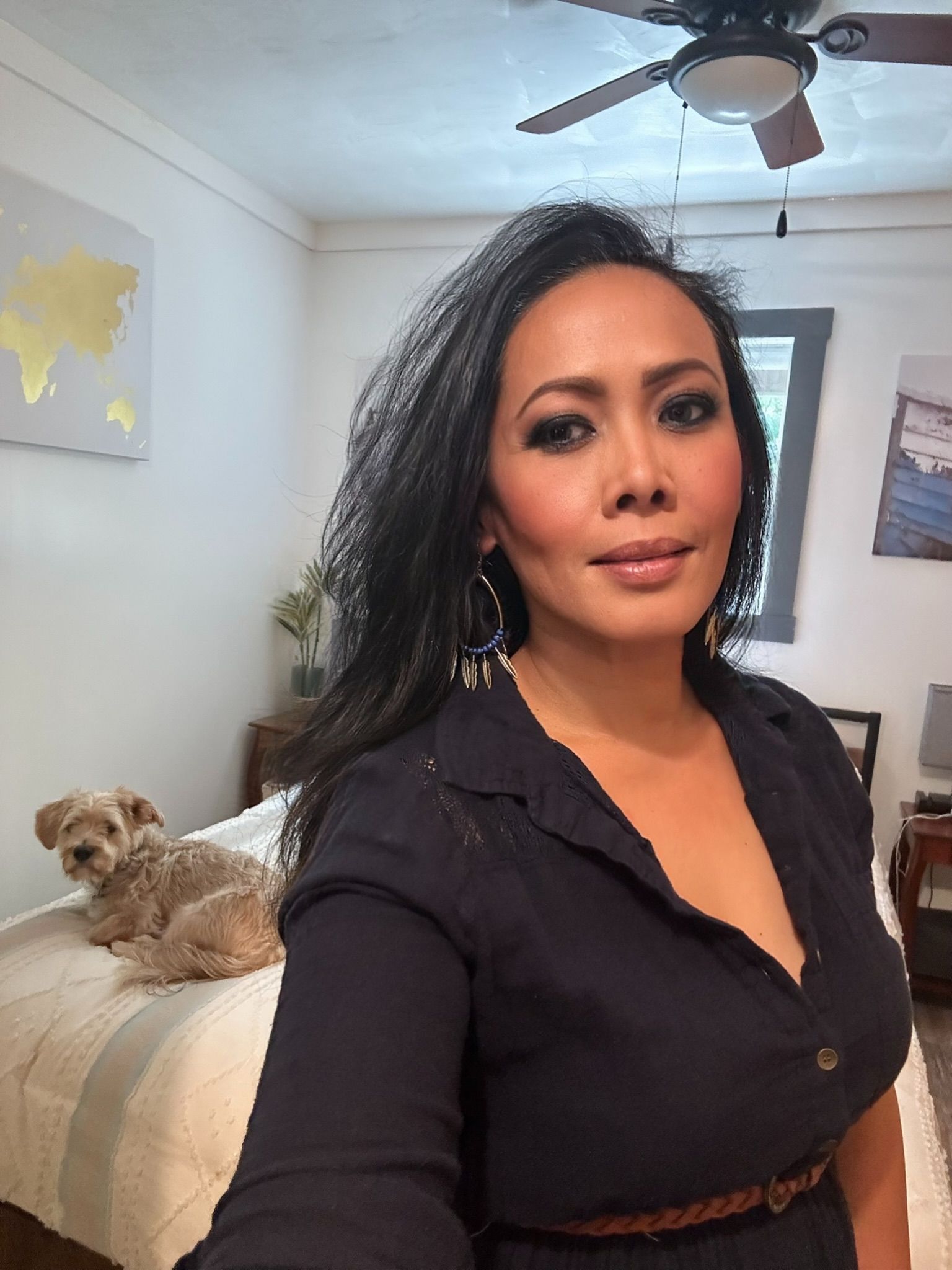
Tessa Tristianti
Founder & Creator of Luvera.ai
My background
For over 20 years as a marketer, my career has been defined by one thing: full-funnel digital execution that drives measurable results. I started as a Sales & Marketing Director in Indonesia, but after immigrating to New Brunswick in 2009, I had to completely rebuild my career from the ground up, starting with mopping floors and flipping burgers. This period forged the grit required to win.
Within a few years, I clawed my way back, becoming a success-story franchise owner (profiled by the Canadian Franchise Association) with Bloomtools Canada before launching my own agency, Lula Digital. I subsequently held digital strategy and leadership roles at organizations like Red Hat Enterprise Linux and returned to an executive position as Marketing Director at Orthodontic Supply of Canada. Since 2017, I have been the Digital Marketing Manager at Cover-Tech Inc., where I built a reliable acquisition engine, proving my ability to execute at every level.
Two decades of rebuilding websites, fixing broken funnels, and watching small businesses fight to stay discoverable taught me one thing above all: visibility is never automatic, it is engineered. I have lived every side of that struggle, from enterprise boardrooms to solo owners who cannot afford another missed customer. Luvera is built from those exact scars and wins, a simple, honest tool that finally gives marketers reliable data and one click fixes in the new world of AI search.
I have spent more than 20 years making invisible brands visible, and now I am doing it for the AI search era.
The Origin of Luvera AI
1. The Scars & The Seed of the Idea
Luvera AI did not start as a product. It started as a constant, frustrating problem in early 2025. Businesses had no visibility into how they were mentioned, which competitors appeared, or what sources influenced recommendations from new conversational AI models like ChatGPT and Gemini. The only way to get this crucial data was to manually check multiple models each week, collect answers, compare patterns, and track visibility by hand. This impossible process became the undeniable seed of the idea, proving that people were no longer searching the way they used to. They were asking AI models for recommendations.
2. The Execution: Prototype One in Six Days
Recognizing that this manual work needed to be automated, I dedicated a single week in October 2025 to build the initial software. In six days, I delivered a functional prototype using Next.js that successfully called the Open AI and Gemini APIs. This proved I could build a working product without a technical co founder. The prototype validated the core workflow: structured prompts, basic mention detection, and clear reporting.
3. The Technical Truth: The Need for Grounded Data
The initial prototype was functional, but the data, sourced only through model APIs, lacked the depth and accuracy needed for a world class solution. Research showed that every tool in this space runs into the same limitation. That discovery clarified the long term vision for Luvera AI: to build a more advanced data layer that goes beyond raw model outputs, captures the real signals influencing AI answers, and delivers deeper, more grounded visibility for marketers. This expanded data approach is what will eventually eliminate the AI visibility blind spot.
Mission
To make AI visibility clear, accurate, and actionable so every business can understand and improve how they appear inside AI generated answers.
Vision
To become the leading Canadian-built platform that helps businesses understand and grow their presence inside AI generated answers, setting the standard for global expansion.